Why Electric Car Insurance Is Getting More ExpensiveâExplaining Teslaâs Premium Composition Based on Accident Repair Data
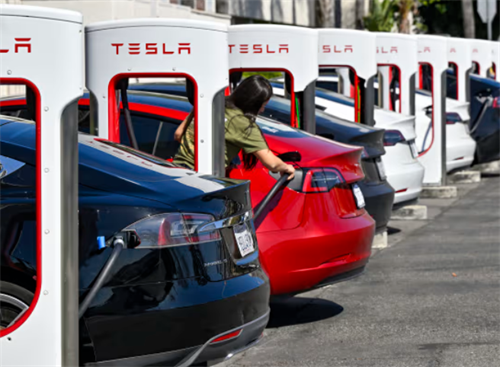
Electric vehicles were once marketed as a financial win: lower fuel costs, fewer moving parts, and reduced maintenance. Yet for many owners, especially Tesla drivers, one line item in the cost-of-ownership spreadsheet has been moving in the opposite direction. Insurance premiums for electric vehicles have risen sharply, often outpacing those of comparable gasoline cars by a wide margin. This trend is not anecdotal. Multiple large-scale insurance datasets now confirm that EVs, and Teslas in particular, carry materially higher premiums across most markets.
As a veteran automotive analyst who has spent years examining ownership cost curves, warranty data, and insurer loss ratios, I can say with confidence that this is not a temporary pricing anomaly. Rising EV insurance costs are the logical outcome of how modern electric vehicles are engineered, repaired, and insured. Tesla offers the most instructive case study because it sits at the intersection of high adoption volume, advanced technology, and unusually transparent repair data.
Understanding why EV insurance is becoming more expensive requires moving beyond surface explanations and examining how insurers price risk, how EVs behave in real-world accidents, and why repair outcomesânot crash frequencyâare driving premiums upward.
Repair Economics, Not Accident Rates, Are Reshaping EV Insurance Pricing
One of the most persistent misconceptions about EV insurance is that electric cars are more expensive to insure because they crash more often. In reality, large-scale claims studies suggest the opposite. Data from the Highway Loss Data Institute and LexisNexis Risk Solutions show that EVs generally have similar or lower accident frequency compared to internal combustion vehicles, particularly in urban environments where many EVs are driven (HLDI, 2024; LexisNexis, 2024).
The real issue is claim severity. When an EV is involved in an accident, the average cost per claim is significantly higher. Experianâs automotive insurance analysis shows that EV repairs cost hundreds to thousands of dollars more per incident than comparable gasoline vehicles, even when controlling for vehicle class (Experian, 2024). This gap widens further in premium EV segments.
The structural reason lies in vehicle architecture. Modern EVs integrate their battery packs into the chassis, often as a stressed structural element. This improves rigidity, safety, and driving dynamics, but it also means that damage which would be considered superficial on a gasoline car can raise concerns about battery integrity. Insurers are highly conservative when lithium-ion battery packs are involved, because undetected damage carries fire and liability risks long after the accident.
As a result, EVs reach total-loss thresholds more quickly. Industry data indicates that once repair estimates approach 70â80% of vehicle value, insurers are financially incentivized to declare a total loss. High battery replacement costs accelerate this calculation, pushing insurers to price policies defensively.
Battery Packs Are the Single Largest Insurance Cost Multiplier
From an insurance perspective, the battery pack is not just another component; it is the dominant cost variable. Across most EVs, battery systems account for roughly 30â50% of the vehicleâs manufacturing cost, and in some cases even more of its insured value. Replacement costs for battery packs routinely range from $10,000 to over $20,000 depending on model, capacity, and labor requirements (Cars.com, 2025).
What complicates matters further is repairability. Unlike engines or transmissions, which can often be repaired incrementally, EV battery packs are subject to strict manufacturer and insurer guidelines. Even localized damage may require full pack replacement if thermal or structural integrity cannot be conclusively verified. This conservative approach is not driven by greed but by risk management, as battery failures carry severe safety and reputational consequences for insurers.
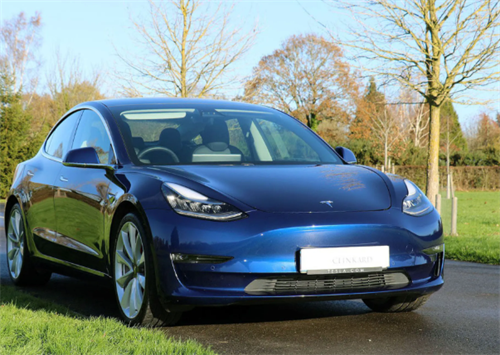
Tesla exemplifies this issue. Its battery packs are deeply integrated into the vehicleâs floor structure, improving efficiency and performance but limiting partial repair options. Insurance loss data shows that Teslas are disproportionately represented in high-cost EV claims, a trend that materially influences premium calculations across the brand (HLDI, 2024).
Teslaâs Insurance Premiums Reflect Brand-Specific Risk, Not Just EV Status
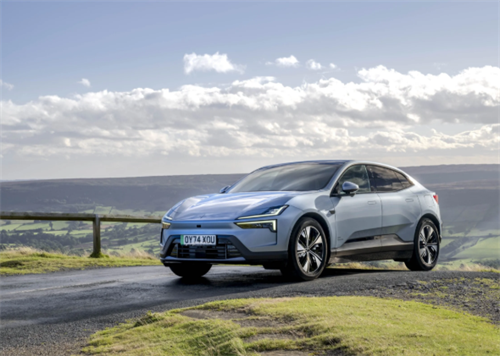
While all EVs face higher insurance costs than gasoline vehicles on average, Tesla consistently sits above the EV mean. This is not simply because Teslas are popular or expensive; it is because their design philosophy amplifies claim severity.
Tesla vehicles combine high torque output, rapid acceleration, and heavy curb weights due to battery mass. These characteristics increase kinetic energy during collisions, which in turn raises repair costs even in moderate-speed accidents. The Highway Loss Data Institute has found that heavier vehicles tend to generate higher property damage losses, regardless of safety ratings (HLDI, 2024).
Additionally, Teslaâs advanced driver-assistance systems introduce secondary cost layers. Cameras, radar units, and control modules often require recalibration or replacement after body repairs. These procedures demand specialized equipment and Tesla-approved processes, extending repair times and increasing labor costs. Longer repair durations also increase insurer expenses through rental car reimbursement, a non-trivial component of claim payouts.
There is also a data maturity issue. Tesla vehicles generate vast amounts of telematics and driving data, but insurers still lack long-term actuarial clarity on how this data translates into stable loss ratios. Until uncertainty decreases, premiums remain elevated to hedge risk.
Claim Duration and Repair Bottlenecks Add Invisible Insurance Costs
Insurance premiums reflect not just how much a repair costs, but how long it takes. EVs, including Teslas, consistently experience longer repair cycles than gasoline vehicles. Experian reports that EV repairs take approximately three days longer on average, with some premium models exceeding that gap significantly (Experian, 2024).
The reasons are structural. EV repair networks are still developing, and the number of certified technicians remains limited relative to fleet growth. Parts availability, especially for battery-related components and proprietary body panels, can further delay repairs. For insurers, each additional day a vehicle spends in the shop increases costs through rental coverage and administrative overhead.
This dynamic creates a feedback loop. Longer repair times increase average claim costs, which in turn push premiums higher, which then influences consumer perception of EV affordability. Teslaâs vertically integrated service model partially mitigates this issue in some markets, but it also concentrates repair authority, limiting price competition.
Why Higher EV Insurance Does Not Mean EVs Are Unsafe
It is critical to separate insurance pricing from vehicle safety. EVs, including Teslas, consistently score well in crash safety tests and often outperform gasoline vehicles in occupant protection. Lower accident frequency among early EV adopters has been documented by multiple studies, reflecting cautious driving behavior and advanced safety systems (J.D. Power, 2024).
Insurance pricing, however, is driven by financial exposure, not moral judgment. Even if accidents are less frequent, the financial consequences when they occur are more severe. Insurers must price policies to remain solvent under worst-case scenarios, particularly in a rapidly evolving technology landscape.
This distinction is often lost in public discourse. High insurance premiums are not a verdict on EV safety, but a reflection of unresolved repair economics.
Will EV and Tesla Insurance Costs Eventually Decline?
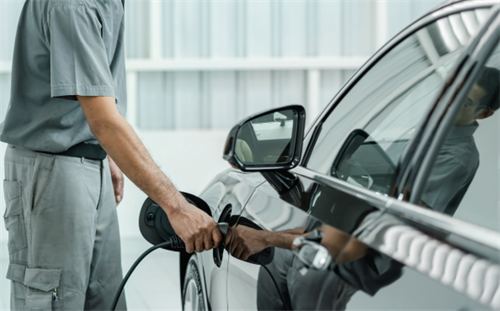
There are credible reasons to believe EV insurance costs will stabilize over time, though not necessarily return to gasoline-car levels. Battery technology is evolving toward modular designs that allow partial repairs, reducing replacement costs. Repair networks are expanding, and technician training is accelerating as EV volumes grow.
Insurers are also gaining better data. As loss histories mature, pricing models can become more precise, reducing the need for broad risk buffers. Telematics-based insurance, particularly when integrated directly with vehicle systems, may allow safer drivers to benefit from individualized premiums.
Tesla itself has experimented with usage-based insurance in select markets, leveraging vehicle data to reward low-risk driving behavior. While not yet transformative, this approach hints at a future where insurance costs align more closely with individual risk rather than brand averages.
The Practical Ownership Implication for EV Buyers
For prospective EV owners, insurance must be treated as a core component of total cost of ownership, not an afterthought. The price gap between EVs and gasoline vehicles has narrowed, and fuel savings are real, but insurance can materially offset those gains, particularly for premium models.
Tesla buyers, in particular, should obtain insurance quotes before purchase, factor repair severity into long-term budgeting, and consider how vehicle configuration choices influence premiums. Wheels, performance trims, and advanced sensor packages all affect repair outcomes and insurer risk models.
EV ownership remains financially compelling for many drivers, but only when insurance costs are understood in context. Ignoring them leads to distorted expectations and buyer remorse.
Electric car insurance is becoming more expensive not because EVs are inherently risky, but because they are expensive to repair when things go wrong. Battery integration, repair complexity, longer claim durations, and conservative insurer risk models all contribute to rising premiums. Tesla illustrates these dynamics most clearly, combining advanced technology with repair outcomes that challenge traditional insurance frameworks.
As the EV ecosystem matures, some cost pressures will ease, but insurance will remain a defining variable in EV ownership economics. Buyers who understand this reality, rather than relying on outdated assumptions, will make better long-term decisions and avoid unpleasant surprises.
Referencesï¼
[1] Experian. (2024). Electric vehicle insurance trends and claims severity analysis. Experian Automotive.
[2] Highway Loss Data Institute. (2024). Collision, property damage, and repair cost comparisons for electric and gasoline vehicles. Insurance Institute for Highway Safety.
[3] J.D. Power. (2024). U.S. electric vehicle experience (EVX) ownership study. J.D. Power and Associates.
[4] LexisNexis Risk Solutions. (2024). U.S. auto insurance claims frequency and severity by powertrain. LexisNexis.
[5] Cars.com. (2025). EV repair costs, battery replacement economics, and insurance implications. Cars.com Research.
Recommended for you