In-depth Comparison of Tesla Model Y in US Version, European Version and Chinese Version: Battery, Configuration and Actual Cost
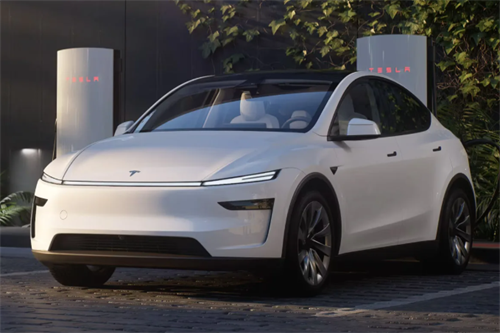
Teslaâs Model Y isnât just the companyâs best-selling vehicleâitâs a global phenomenon with regional variations in how itâs built and experienced by owners. These differencesâespecially in battery suppliers, chemistry, integration, and practical ownership experienceâmatter in ways that go far beyond technical specifications.
Global Launch and What Changed
In early 2025, Tesla launched a refreshed and premium Model Y variant in the United States, Canada, and Europe shortly after its debut in China. This long-range all-wheel-drive version â often referred to as the âLaunch Seriesââretails at approximately $59,990 in the U.S. and includes features such as Full Self-Driving (FSD) as standard, a first for this model lineup (Reuters, 2025).
Deliveries for these markets began in March 2025, and Tesla also continues to sell older Model Y variants at reduced prices, underscoring a strategy of gradual transition while demand fluctuates.
Key updates include:
-Redesigned exterior with improved aerodynamicsï¼
-Interior upgrades, including enhanced screens and comfort featuresï¼
-Extended EPA-estimated range of roughly 320 miles (515 km)ï¼
-FSD as a standard inclusion in select trims without the previous $8,000 add-on costï¼
This reflects Teslaâs efforts to retain premium EV customers even as global EV demand slows and competition intensifies, especially from lower-cost Chinese rivals. (The Economic Times)
Why Battery Supplier Differences Matterï¼
Beyond cosmetic and software changes, the heart of every EV is its battery â and for the Model Y, where the battery comes from and how itâs designed can directly influence real ownership experience, including range, charging behavior, durability, cost, and even ride quality.
Teslaâs regional production choices reflect a complex supply strategy:
United States: Domestically assembled packs with higher-energy cells
Europe: LFP structural battery integration supplied by BYD
China: High localization with LFP cells from multiple suppliers
United States: Energy Density and Range for Long Trips
In the U.S., most Model Ys â including the premium Launch Series â use higher-energy battery chemistries (such as NCA/NMC formulations) assembled locally. These chemistries provide strong energy density and EPA-rated range, which is valuable for long highway driving and varied climates.
This configuration pairs well with the strong Supercharging network in North America and makes long-distance ownership more seamless. The Launch Series continues to emphasize this balance, tailoring the battery and drivetrain for both performance and everyday usability.
Practical ownership highlights in the U.S.:
-Excellent range for intercity and long tripsï¼
-Standard inclusion of FSD increases daily comfort on highwaysï¼
-Strong parts availability and service networks reduce downtimeï¼
-Retained performance edge for dynamic drivingï¼
From an everyday perspective, this results in a Model Y that feels balanced whether commuting or traveling long distances, with owner-reported consistency in range and software support.
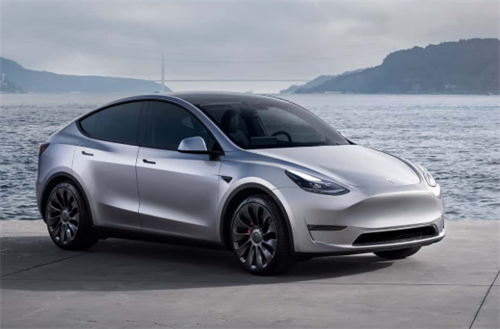
Europe: BYD Structural Packs and Efficiency Focus
Europeâs Model Y variants stand out because of battery integration and regional supply partnerships.
Teslaâs Gigafactory in Berlin includes production of vehicles using LFP battery packs supplied by BYD, a major Chinese automotive and battery maker. These LFP packs are often integrated directly into the vehicleâs structure â a design that reduces weight and improves overall vehicle stiffness.
Real-world consequences:
-Slightly lower nominal range than Chinaâs larger LFP packs but better energy efficiencyï¼
-Enhanced chassis rigidity and potentially improved ride qualityï¼
-Lower overall mass, which can translate to better efficiency in urban and twisty roadsï¼
Battery tests suggest that BYDâs blade-style LFP cells can maintain high charging power longer during rapid charging sessions compared to other LFP variants, meaning faster early charging performance.
Practical takeaways for European owners:
LFP chemistry excels in frequent charging and longevityï¼
Structural packs improve rigidity and efficiencyï¼
Slightly lower WLTP range does not meaningfully harm everyday usabilityï¼
In essence, European Model Ys aim for a cost-efficient, durable, and efficient daily experience, even if peak range figures are more modest than some high-energy chemistries.
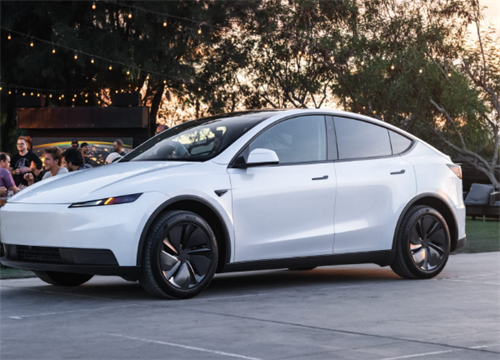
China: High Localization and Competitive Pressure
Teslaâs Giga Shanghai remains one of the companyâs busiest production hubs, not just for China but increasingly for export markets too. Local supply chains in China are deeply integrated, with major battery suppliers like CATL and BYD providing LFP batteries that emphasize safety, low cost, and long-term stability.
Chinaâs Model Y landscape is unique for two reasons:
1. Highly Localized Supply
The Shanghai factory builds Model Ys with very high parts localization, reducing manufacturing and logistics costs. This helps Tesla price the vehicle competitively in a market crowded with domestic EV brands.
2. Expanded Versions for Chinese Buyers
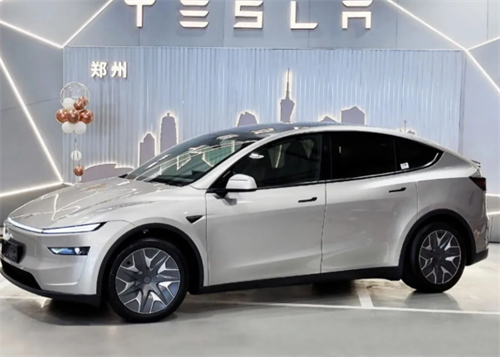
China also gets exclusive Model Y variants such as the Model Y L with three rows of seats, designed for multi-generational families. While interior reviews have noted practical challenges like limited third-row headroom and hard plastics, this variant expands Teslaâs appeal in a segment where interior space matters deeply.
However, competition is intense. Chinese brands like Xiaomi, BYD, and others are gaining share with vehicles that offer more features, better interior comfort, and aggressive pricing, leading to Tesla strategizing around lower-cost Model Y production to counter slowing sales.
-Practical ownership aspects in China:
LFP chemistry delivers excellent cycle life and minimal degradationï¼
Strong local charging infrastructure supports everyday useï¼
Three-row variants cater to family usage but face plateauing demandï¼
Comparing Battery Chemistry for Real Use
The battery chemistry itselfâmore than the supplierâshapes ownership experience in crucial, practical ways:
-LFP (Lithium Iron Phosphate)
Less energy dense but extremely durable and thermally stable
Can regularly charge to full without significant degradation
Usually cheaper per kWh, lowering overall costs
-NCA/NMC (Nickel-Based)
Higher energy density â more range per charge;
Slightly higher degradation if charged to 100% frequently;
Better suited to buyers prioritizing long range and performance;
European and Chinese models tend to emphasize LFP variants for durability and ownership cost savings, while U.S. models often lean toward higher energy density formats to maximize EPA range and appeal to longer-distance drivers.
Practical Ownership Examples and Implications
-Daily Commuting
LFP packs in the EU and China handle frequent charging cycles with minimal degradation, making them ideal for city commuters and short-distance drivers.
-Long-Distance Driving
U. S. models â with their higher energy density packs â hold an edge for highway travel and longer distances, reducing charging downtime and increasing convenience on cross-country trips.
-Charging Infrastructure
North Americaâs extensive Supercharger network enhances U.S. Model Y usability. European CCS infrastructure and Chinaâs dense public charging ecosystem both provide solid support, though local networks differ in speed and availability.
-Resale and Longevity
LFP chemistry can translate into stronger long-term value retention due to its slower degradation curve, whereas high-energy chemistries may depreciate faster if heavily used and frequently charged to full.
Teslaâs Model Y is still a globally dominant EV, but regional production and battery supplier differences translate into tangible ownership outcomes:
U.S.âhigh-energy batteries, exceptional performance and range, and smooth long-distance functionality.
Europeâstructural LFP packs from BYD, efficient daily driving, slightly lower range but high durability
Chinaâregional supply chain, diverse battery suppliers, economical ownership, and fierce competition.
Understanding these differences helps buyers choose the right Model Y for their driving habits, local infrastructure, cost expectations, and long-term ownership goals rather than simply relying on generic specs.
Referencesï¼
[1] Reuters. (2025, January 24). Tesla launches new Model Y in US, Canada, Europe weeks after China. Reuters. https://www.reuters.com/business/autos-transportation/tesla-announces-revamped-model-y-version-us-priced-59990-2025-01-24/
[2] Tesla. (n.d.). Model Y â Electric Midsize SUV. Tesla. https://www.tesla.com/modely
[3] Autoevolution. (2023, May). Tesla adds new Model Y variant at Giga Berlin with BYD structural battery packs. Autoevolution. https://www.autoevolution.com/news/tesla-adds-a-new-model-y-variant-at-giga-berlin-with-byd-structural-battery-packs-214520.html
[4] CarNewsChina. (2023, May 4). Tesla started production of Model Y with BYD battery in German Gigafactory. CarNewsChina. https://carnewschina.com/2023/05/04/tesla-started-production-of-model-y-with-byd-battery-in-german-gigafactory-according-to-a-report/
[5] Wikipedia contributors. (2023â2025). Tesla Model Y. Wikipedia. https://en.wikipedia.org/wiki/Tesla_Model_Y
Recommended for you