European Narrow Streets Test: Comparing Smartâ¯#1 and Fiatâ¯500e â Who Is the Ultimate Cost Solution for Urban Commuting?
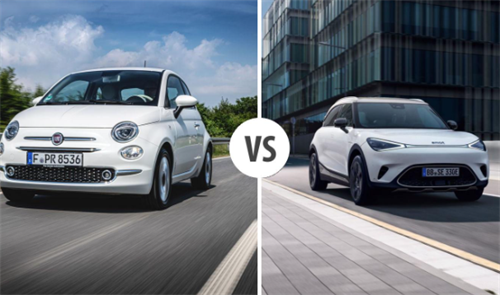
In the heart of Europeâs historic cities â from the cobblestoned alleys of Rome to Barcelonaâs medieval quarters â navigating narrow streets and managing parking has always been a challenge. Enter electric vehicles (EVs), increasingly central to urban mobility solutions. Beyond reducing emissions, they promise lower running costs, quieter streets, and innovative driving experiences.
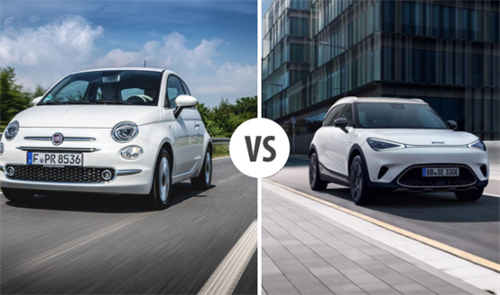
Two electric cars are vying to be the best for city life: the Fiat 500e, a small, stylish ride thatâs easy to zip around in, and the Smart #1, a modern compact SUV thatâs roomy and versatile. Both run on electricity, but they go about it differently. The Fiat 500e is perfect for squeezing through narrow streets, while the Smart #1 can handle both city and suburban driving, giving a more âgrown-upâ feel.
Microcar Charm vs. Modern Compact SUV
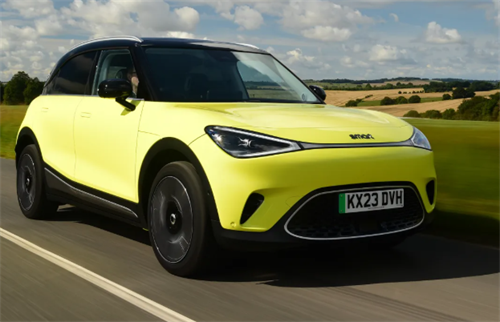
The Smartâ¯#1 is built on the Geely SEA (Sustainable Experience Architecture) platform, featuring a 66â¯kWh battery, 428â¯HP peak in the Brabus trim, and up to 440â¯km WLTP range. Its rear or dual-motor AWD layouts provide strong traction, while cabin versatility includes five seats, 323â411â¯L boot, and adjustable rear seats, highlighting Smartâs focus on usability beyond cramped urban trips. Prices start around £31,700, reflecting its semi-premium positioning. (Smart Europe GmbH, 2024)
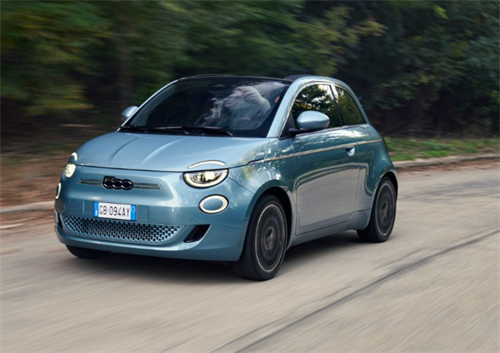
In contrast, the Fiatâ¯500e retains its legendary microcar proportions, with a 42â¯kWh battery, 118â¯HP, and a maximum real-world range around 290â320â¯km. Its front-motor FWD layout and compact footprint make it agile in narrow streets. Boot capacity is modest at 185â¯L, seating four, and curb weight is only 1,141â¯kg, enhancing maneuverability and energy efficiency. Prices start around £18,800, giving it a clear initial cost advantage.(Fiat / Stellantis Media, 2024)
The Smart #1 trades compactness for enhanced performance, generous space, and cutting-edge technology, whereas the Fiat 500e prioritizes nimble urban maneuverability and energy efficiency.
Maneuverability in Narrow Streets â Real-World Geometry Matters
Urban driving exposes the practical implications of size. The Fiatâ¯500e, measuring 3.63â¯m long and 1.68â¯m wide, easily navigates tight corners, narrow lanes, and historic parking spaces. Its turning radius and light weight make it intuitive for drivers accustomed to European microcars.
The Smartâ¯#1, at 4.27â¯m long and 1.82â¯m wide, is larger but benefits from cameras, parking sensors, and driver-assistance features. While threading through a street like Romeâs Trastevere may feel tighter, the additional interior space and higher seating position enhance visibility and safety.
Expert assessments indicate that for those primarily navigating busy urban areas, the Fiat 500e is more maneuverable, while the Smart #1 offers great stability and cabin comfort, making it ideal for diverse urban and suburban commuting.(Andrew Chesterton, CarsGuide, 2024)
Efficiency and Range â How Far Can You Go Between Charges?
Efficiency is crucial in stop-and-go urban traffic. The Fiatâ¯500e consumes 13â¯kWh/100â¯km, making it highly efficient for short daily commutes. With its 42â¯kWh battery, it offers ~290â¯km real-world city range, ideal for daily errands, with DC fast-charging at 85â¯kW reaching 80% in ~35â¯minutes.
The Smart #1 uses 16.8 kWh of energy for every 100 km, but it has a larger 66 kWh battery. This gives it a range of 310 to 440 km, or about 330 to 350 km in city driving.Its 150 kW DC fast charging capability can charge from 0 to 80% in under 30 minutes, enabling longer journeys without concerns about range.
Thus, while Fiat excels in ultra-efficient short hops, Smart provides more flexibility for commuters occasionally venturing beyond the city.
Power and Driving Dynamics â City Cruiser vs. Performance SUV
The Smart #1 Brabus packs a punch with 428 HP and 543 Nm of torque. It can go from 0 to 100 km/h in just 3.9 seconds and hit a top speed of 180 km/h, making it a surprisingly quick electric vehicle. Even the basic model has a rear motor with 200 kW and 343 Nm, hitting 0â100 km/h in 6.7 seconds, which is pretty impressive for city driving.
The Fiatâ¯500e, with 118â¯HP and 220â¯Nm, completes 0â100â¯km/h in ~9â¯s, reaching a top speed of 155â¯km/h. While not sporty, the instant torque typical of EVs ensures lively city acceleration.
Reviewers mention that the Fiat 500e is enjoyable to drive in traffic, especially with its Sherpa and Eco modes that help save battery. The Smart #1 has two driving modes, so you can drive smoothly in the city or switch to a more exciting performance when you want. (Andrew Chesterton, CarsGuide, 2024)
Cabin, Comfort, and Practicality â Space for People and Cargo
Space and flexibility are critical for daily urban use. The Smartâ¯#1 seats five, offers 323â411â¯L boot + 15â¯L frunk, and adjustable rear seats. Cabin materials feel premium, with 12.8-inch touchscreen, wireless CarPlay/Android Auto, and optional Brabus enhancements. Its weight (~1,780â¯kg) is high but justified by comfort and tech.
The Fiatâ¯500e offers a charming retro cabin for four passengers, front seats accommodating but rear tight, and 185â¯L boot space. Tech is modern (10.25-inch screen, wireless charging, Level 2 Assisted Driving), but space limitations reflect its microcar heritage.
If you've got family to take care of or need to carry a lot of stuff, then the Smart #1 is definitely the best pick. But if you're traveling alone or with just one other person and you want a car that's both stylish and easy to handle, then the "Fiat 500e" is a great choice.
Safety â City Streets Can Be Treacherous
Both EVs come with comprehensive active safety features. The Smartâ¯#1 includes adaptive cruise control, lane keeping, AEB, traffic sign recognition, seven airbags, and earned a 5-star Euro NCAP rating.
The Fiatâ¯500e features blind-spot monitoring, emergency braking, lane control, and Level 2 Assisted Driving, but received a 4-star ANCAP rating, partly due to absence of center airbags.
In tight European streets where pedestrians and cyclists dominate, Smartâ¯#1 offers superior active safety protection.
Ownership and Running Costs â Price vs. Versatility
The Fiatâ¯500eâs £18,800 starting price and light weight make it extremely affordable for urban commuting. Charging costs are low, and servicing is simplified â annual checks around â¬250. Warranty covers 3 years / 150,000â¯km, battery 8â¯years.
Smartâ¯#1âs price (~£31,700 entry, up to £67,900 Brabus) is higher, but its larger battery and technology justify the cost. Service intervals (~12â20k km) average â¬611ââ¬780 per visit, and warranty is 5 years/150,000â¯km. Despite higher upfront cost, Smart offers longer range, dual-mode performance, and family practicality, potentially reducing per-kilometer costs in real urban use.
Fiat is cost-effective for pure city usage; Smart pays off for broader commuting needs. (Andrew Chesterton, CarsGuide, 2024)
When considering depreciation and resale value, the Fiat 500e typically loses 40â45% of its value over five years due to smaller battery capacity and higher market availability, while the Smart #1, as a semi-premium EV with greater range and higher performance, depreciates slightly slower at 35â40%, with premium trims like the Brabus maintaining desirability. Â
Who Wins Narrow Streets and Urban Commuting?
The choice comes down to your urban lifestyle:
Fiatâ¯500e: Ideal for solo or duo commuters prioritizing maneuverability, efficiency, and lower upfront cost. Its playful style and compact size excel in historic, narrow streets.
Smart #1: It's perfect for city and suburban drivers, families, or anyone who needs more space and a comfy ride. Its great performance, safety features, and unique functions make its higher price totally worth it for zippy city driving.
In short, the Fiat 500e is all about efficient city living with a minimalistic design, while the Smart #1 offers a more versatile and premium experience for urban driving.Both succeed in European city environments; the ultimate choice depends on range needs, space requirements, and budget.
References:
[1] Andrew Chesterton. (2024). Smartâ¯#1 vs Fiat 500e: Deep dive comparison. CarsGuide. https://www.carsguide.com.au
[2] Smart Europe GmbH. (2024). Smartâ¯#1 technical specifications and pricing. https://www.smart.com
[3] Fiat / Stellantis Media. (2024). Fiatâ¯500e official specifications and European launch data. https://www.fiat.com
Recommended for you