Korean Domestic Genesis G90 and Export Version: The 'Dual Standards' of Luxury Cars in Different Markets in Terms of Materials and Configurations
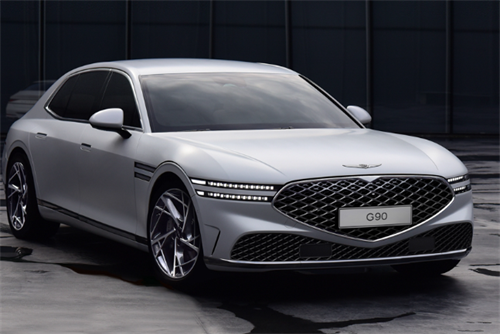
The Genesis G90 represents Hyundaiâs most ambitious effort to establish a truly Korean luxury brand. Since spinning off Genesis from Hyundai in 2015, the brand has steadily aimed to compete with established global luxury marques like Mercedes-Benz, BMW, and Lexus. Yet, the domestic version of the G90 sold in South Korea exhibits significant differences in materials, configurations, and optional features compared with the export versions sold abroad, particularly in markets such as the United States and the Middle East.
This dual-standard approach reflects both strategic market positioning and practical responses to long-term ownership realities, such as warranty expectations, maintenance availability, and user preferences.
Understanding these differences is crucial for automotive enthusiasts, potential buyers, and investors who seek insight into Genesisâ evolving global strategy.
Genesis G90âs Domestic Market Positioning in South Korea
In its domestic market, the Genesis G90 enjoys an unusual level of success for a relatively young luxury brand. The second-generation G90, introduced in early 2022, quickly overtook the Mercedes-Benz S-Class in Korea, with domestic sales hitting 9,962 units in the first half of the yearâ3,400 units more than the S-Class (Herh, 2022). This achievement is particularly notable given that the S-Class has historically dominated South Koreaâs luxury sedan segment.
Analysts attribute this rise to several factors: the new model effects of the second-generation G90, a relatively stable supply of automotive semiconductors compared to foreign brands, and the appeal of Korean buyers to domestic luxury vehicles during periods of geopolitical or economic uncertainty.
The domestic G90 is positioned as a top-tier luxury sedan, priced at over 100 million KRW (~$75,000 USD) depending on the trim. Standard configurations include advanced features like Italian leather interiors, rear-seat infotainment, tri-zone climate control, and Level 3 autonomous driving technology known as Highway Driving Pilot (HDP). These inclusions reflect a deliberate strategy to compete with global luxury benchmarks while leveraging Koreaâs domestic supply chain advantages.
The domestic version also benefits from shorter lead times, easier customization through Genesisâ One-of-One program, and higher consumer familiarity with local dealership networks (Marquis, 2025).
Domestic Configurations and Materials
The Korean domestic G90 offers the most premium interior materials and finishes available in the Genesis lineup. For instance, leather upholstery sourced from European tanneries, extended real wood trim, and soft-touch panels are standard on top trims. Unique to the domestic market is the inclusion of rear-seat controls for comfort and infotainment, which cater to the prevalent culture of chauffeur-driven ownership in Korea. The domestic G90 also offers bespoke color palettes and interior configurations, reflecting the Korean appreciation for subtle luxury and personalized aesthetics (Marquis, 2025).
Export Market Versions: Global Adjustments and Strategic Variations
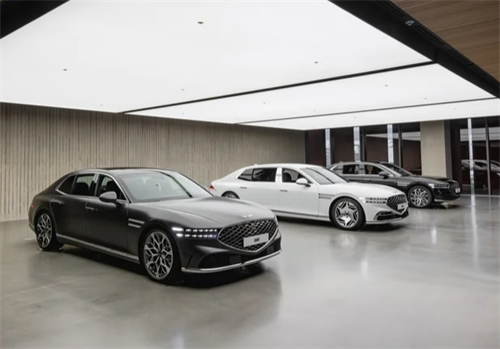
When the G90 is sold internationally, especially in markets like the United States, Canada, and the Middle East, Hyundai adjusts materials, configurations, and features to meet market expectations and regulatory requirements. Export versions often include modified infotainment systems compatible with local digital ecosystems, optional driver-assist features, and regional tuning of suspension and emissions compliance. Pricing for export versions starts at around $68,000 USD for base trims and can exceed $100,000 for fully loaded models, similar to domestic pricing but with some differences in standard equipment (Shakeel, 2018).
Export configurations also reflect logistical and cost considerations. For example, while the domestic G90 emphasizes customization and premium materials, some leather and wood options are substituted with more globally available equivalents for international models. In addition, certain luxury features, such as extensive rear-seat entertainment, may be limited or offered as optional packages to balance affordability with perceived value across diverse markets.
Adjustments in Materials and Features:
Export G90 models may use different leather grades, synthetic composites for decorative panels, or simplified rear-seat configurations compared with their domestic counterparts. For instance, the Level 3 HDP autonomous driving system may be restricted in markets where regulatory approval is pending. Similarly, sound insulation materials and suspension tuning are adjusted for local road conditionsâfirmer setups for North America, slightly softer for Middle Eastern marketsâto align with regional customer expectations of comfort and handling (Marquis, 2025).
This dual-standard strategy allows Genesis to maintain cost efficiency while delivering a competitive product tailored to market-specific needs. The export versions maintain the brandâs core luxury identity but strategically limit features that are either less valued by local buyers or cost-prohibitive to include at scale.
Ownership Costs and Maintenance Insights Across Markets:
One of the most critical aspects for luxury car buyers is long-term ownership cost. Both domestic and export G90 owners report maintenance and service expenses that are lower than comparable European luxury brands. In Korea, the G90 benefits from extensive domestic parts availability, factory-trained technicians, and a shorter warranty fulfillment process. Genesisâ warranty coverage for domestic models includes up to 5 years or 100,000 km, often exceeding that of competitor luxury brands, which appeals to buyers sensitive to long-term reliability (Marquis, 2025).
In export markets, Genesis extends competitive warranty programs, but service networks are still developing compared to established luxury brands. While Genesis dealers in the U.S. and Canada offer full service capabilities, access to parts can involve slightly longer lead times, especially for highly customized options. This distinction contributes to the perception of âdual standardsâ between domestic and international ownership experiences.
Real User Experiences:
Domestic owners consistently praise the G90 for its smooth ride quality, quiet cabin, and comprehensive infotainment suite. Chauffeur-driven users particularly appreciate rear-seat comfort, ambient lighting, and advanced climate control. Export owners highlight similar driving dynamics and luxury feel, but some note differences in rear-seat amenities and minor variations in materials. Importantly, both domestic and export G90s demonstrate strong reliability, with fewer reported mechanical issues than European rivals, partially due to Hyundaiâs vertically integrated supply chain and stringent quality control (Shakeel, 2018).
Market-Specific Strategies and Consumer Perceptions
Genesisâ dual-standard approach is a deliberate strategy shaped by market expectations and brand positioning. In Korea, the G90 must compete with entrenched luxury competitors like Mercedes-Benz and BMW, which necessitates offering the absolute best in materials and features. Overseas, the brand balances luxury perception with competitive pricing and regulatory compliance, sometimes necessitating subtle reductions in materials or optional features.
The strategy appears to be effective. Domestic sales data indicate growing consumer trust and brand loyalty, while export markets show steady acceptance. Notably, the G90âs domestic successâoutselling the Mercedes-Benz S-Class in Korea during H1 2022âdemonstrates the effectiveness of local-focused premium enhancements (Herh, 2022). Globally, the brand leverages marketing and product differentiation, such as the Prestige Black package and performance-focused Magma division vehicles, to appeal to high-end customers who might otherwise choose BMW M or Mercedes-AMG models (Marquis, 2025).
Production, Logistics, and Tariff Considerations:
All Genesis G90 vehicles are built in Ulsan, South Korea, one of the worldâs largest automotive factories. For export models, logistics involve port handling, shipping, and tariff compliance. U.S. tariffs on South Korean imports, although partially mitigated, can impact pricing strategies, leading Genesis to absorb some costs or adjust dealer incentives (Marquis, 2025). This operational complexity partly explains differences in materials or optional features between domestic and export models, as global shipping and production flexibility constrain ultra-high customization in foreign markets.
Practical Recommendations for Buyers:
Understanding the dual standards of the Genesis G90 can guide informed purchase decisions:
Domestic Buyers in Korea: Opt for fully loaded trims to take advantage of premium materials, rear-seat luxury, and extensive customization options. The local warranty, service network, and parts availability enhance long-term value.
Export Buyers (U.S., Middle East, Canada): Evaluate which optional packages are critical for comfort and technology. While the base export model delivers excellent luxury, additional packages may be required to achieve parity with domestic trims. Consider dealer service capabilities and warranty coverage when planning long-term ownership.
Resale Considerations: Domestic models maintain high resale value due to market trust and perceived quality. Export models may face minor depreciation differences due to varying feature sets and market maturity.
The Genesis G90 exemplifies how a modern luxury brand navigates multiple markets by offering tailored configurations and materials while maintaining core brand identity. The domestic G90 showcases Koreaâs highest luxury standards, with top-tier materials, advanced technology, and extensive customization options. Export models, while slightly adjusted in features and materials, preserve the G90âs luxury essence, delivering strong performance, comfort, and reliability.
For automotive enthusiasts and prospective buyers, recognizing these differences is essential for making informed decisions, managing long-term ownership costs, and appreciating Genesisâ strategic positioning. The dual-standard approach not only reflects operational realities but also highlights the brandâs ambition: to compete globally while remaining firmly rooted in Korean luxury craftsmanship.
References:
[1] Marquis, E. (2025, April 11). Genesis' exciting shift to the higher-end luxury market could not come at a worse time. Jalopnik. https://www.jalopnik.com/1831686/genesis-shift-to-premium-market-timing/
[2] Herh, M. (2022, September 5). Genesis G90 outsells Mercedes-Benz S-Class in Korea in H1. Auto Industry Reports.
[3] Shakeel, M. (2018, November 27). Hyundai launches Genesis G90 in S. Korea. APP. https://www.app.com.pk/
Recommended for you