Which Seat Material Ages Best Over Five Years?
Car seats are more than just a place to sitâthey directly affect comfort, cabin aesthetics, and long-term vehicle value. Over five years, materials can wrinkle, sag, crack, or collapse, influencing both the daily driving experience and resale value. Selecting the right seat material is not just a matter of style; it is a critical component of long-term ownership costs. Drawing from real-world usage data, automotive maintenance reports, and industry research, this guide offers a deep, practical analysis for car enthusiasts and long-term owners.
Overview of Common Car Seat Materials
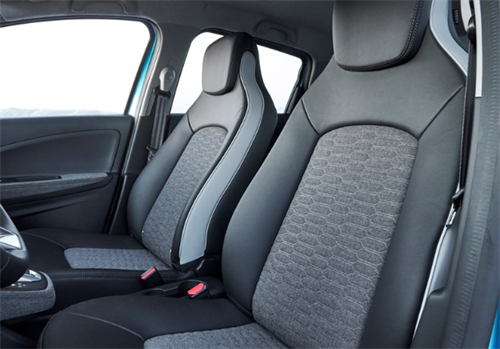
Modern vehicles employ a range of seat materials, each with distinct properties. Genuine leather remains the hallmark of luxury, offering natural breathability, tensile strength, and a high-end tactile feel. PU microfiber leather, a synthetic material, simulates natural leather while enhancing durability and environmental friendliness. PVC synthetic leather, or vinyl, is valued for cost-effectiveness, fold resistance, and easy maintenance. Fabric or polyester seats prioritize comfort and light weight, while Alcantara or Ultrasuede provides a plush, soft-touch option for premium or sports vehicles.
Understanding these options allows buyers to align material choice with usage patterns, comfort needs, and long-term durability.
Genuine Leather: Luxury with Maintenance Demands
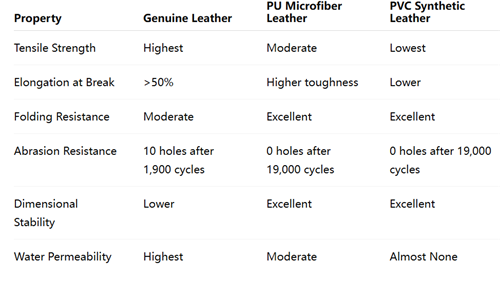
Genuine leather seats offer a tactile and visual appeal unmatched by synthetics, but they require ongoing attention. Studies show that authentic leather exhibits exceptional tensile strength and elongation at break, contributing to its durability and resistance to tearing. (Cheng & Jiabao, 2024). However, abrasion tests show that after roughly 1,900 cycles, leather surfaces may develop micro-holes, particularly in high-contact areas such as seat bolsters. Leather is also sensitive to temperature fluctuations and humidity; exposure to high heat or damp environments can accelerate cracking and wrinkles.
Maintenance routinesâincluding conditioning and UV protection every three to six monthsâare essential to preserve the leatherâs integrity. Repair costs are notable, ranging from $800 to $2,500 per seat depending on severity and vehicle brand (Max Motors, 2025). In short, while leather delivers a premium experience, it requires attentive care to prevent visible aging over five years.
PU Microfiber Leather: Durability Meets Practicality
PU microfiber leather is engineered to replicate the fiber structure of natural leather while enhancing durability and environmental resilience. Mechanical and abrasion tests demonstrate that PU microfiber leather can endure up to 19,000 abrasion cycles without developing holes, significantly surpassing the performance of genuine leather in high-traffic environments (Cheng & Jiabao, 2024). The material exhibits excellent folding resistance, dimensional stability under heat, low temperatures, and alternating climates, making it suitable for diverse driving conditions. Maintenance is simple, typically involving mild soap and water, and repair costs are significantly lower than genuine leather, averaging $300â$1,200 per seat. Its combination of durability, comfort, and lower long-term costs makes PU microfiber leather an attractive option for urban drivers and long-term vehicle owners seeking a balance between luxury and practicality.
PVC Synthetic Leather: Cost-Effective Workhorse
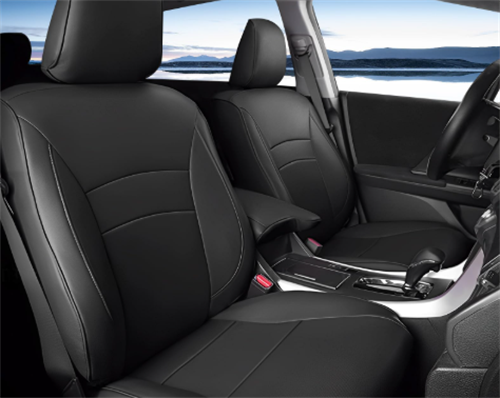
PVC leather, often used in budget or commercial vehicles, offers high resistance to stains, moisture, and folding. Unlike natural leather, PVC has low water permeability, resulting in excellent dimensional stability and minimal shrinkage under heat aging (Cheng & Jiabao, 2024). While it cannot replicate the breathability or tactile richness of natural leather, its affordability and resilience make it ideal for heavy-use vehicles, such as fleet cars or vehicles used in hot climates.The tradeoff lies in comfort: PVC seats can become uncomfortably warm in the summer and excessively cold in the winter, affecting their practicality for everyday use.Repairs are economical, typically ranging from $150 to $700 per seat. PVC leatherâs strength lies in low maintenance and functional longevity, rather than luxury appeal.
Fabric and Polyester: Practical Comfort
Fabric and polyester seats remain prevalent in everyday vehicles due to their lightweight construction, comfort, and breathability. These materials generally resist minor wear and provide a forgiving seating surface. However, fabric seats are prone to sagging as the foam padding loses elasticity over five years, and they can absorb odors or stains, requiring periodic cleaning. Despite these drawbacks, polyester seats are often the most cost-effective option, with repair or replacement costs between $100 and $400 per seat. For families, ride-sharing drivers, or vehicles subject to heavy daily use, fabric remains a practical and durable solution that prioritizes comfort over prestige.
Alcantara and Ultrasuede: Plush, High-End Options
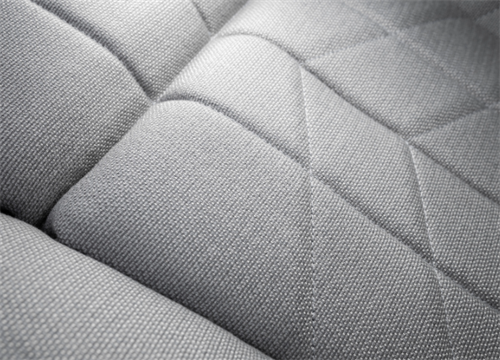
Alcantara, a synthetic suede fabric, offers a luxurious feel and rich aesthetic, commonly found in premium sports cars and luxury interiors. It is soft to the touch, resistant to bacteria, and maintains its plush texture for years with proper care. While generally more durable than genuine leather against minor scratches and stains, Alcantara can be slower to dry after cleaning and requires gentle handling to maintain its appearance. Repair and replacement costs are high, reflecting the materialâs premium positioning. Alcantara is best suited for owners who prioritize tactile comfort, style, and cabin luxury, understanding the need for careful maintenance.
Mechanical Performance and Aging Analysis
Scientific testing comparing genuine leather, PU microfiber leather, and PVC leather highlights their distinct aging characteristics (Cheng & Jiabao, 2024). Genuine leather demonstrates excellent tensile strength but shows reduced folding resistance and accelerated abrasion in humid or high-temperature conditions. PU microfiber leather exhibits outstanding recovery after stress, superior dimensional stability, and exceptional resistance to wear across environmental extremes. PVC leather, while lacking the tactile quality of leather, provides excellent durability in folding and abrasion, particularly in commercial or high-traffic applications. These findings confirm that PU microfiber leather combines the strengths of natural and synthetic materials, making it the most practical choice for long-term vehicle ownership.
Long-Term Cost Considerations
When evaluating seat materials, repair and replacement costs significantly impact the total cost of ownership. Genuine leather, though luxurious, has the highest maintenance and repair expenses, while PU microfiber leather offers the most cost-effective combination of durability and longevity. PVC remains economical but sacrifices comfort, and fabric provides the lowest upfront costs with moderate longevity. Alcantara commands premium pricing and careful maintenance. Buyers should weigh these costs against personal usage patterns, climate, and vehicle type to make a rational, long-term choice.
Practical Guidance for Buyers
Choosing the right seat material should consider usage, maintenance, and ergonomics. Urban drivers or long-term owners benefit from PU microfiber leather for its durability and cost efficiency. Luxury enthusiasts can select genuine leather or Alcantara, provided they commit to regular maintenance. PVC or fabric suits commercial or high-usage vehicles. Hybrid seat designs, such as Mazda and certain BMW models, combine PU leather with physical bolsters or control buttons, offering durability without compromising ergonomics. For five-year ownership, the focus should be on materials that resist wrinkles, maintain structural integrity, and minimize repair costs.
Over a five-year horizon, PU microfiber leather emerges as the optimal seat material, offering durability, comfort, and low maintenance costs. Genuine leather retains its prestige but requires diligent care. PVC and fabric seats are practical for high-use or budget-conscious applications, while Alcantara suits premium interiors. Selecting the right seat material is a crucial component of vehicle longevity, user experience, and long-term value.
References:
[1] Cheng, Y., & Jiabao, L. (2024). Comparison and Analysis of Material Properties of Commonly Used Car Seat Fabrics. Leyi Technology, Guangdong Report.
[2] Max Motors Missouri. (2025). How much does it cost to fix leather car seats? https://www.maxmotorsmissouri.com/how-much-does-it-cost-to-fix-leather-car-seats.html
[3] Support Car Upholstery. (2025). Car Upholstery Repair Cost Guide. https://supportcarupholstery.com/car-upholstery-repair-cost
[4] Cheng, Y., & Jiabao, L. (2024). Mechanical and Abrasion Properties of PU Microfiber Leather vs. Genuine Leather. SAIC Volkswagen Automotive Co., Ltd.
Recommended for you